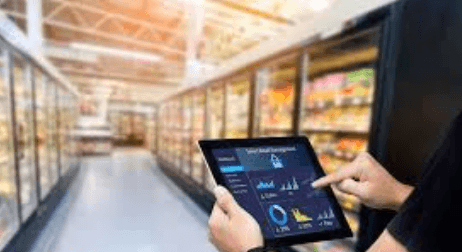
Smart technology enhances customer convenience by automating routine tasks, enabling self-service portals, and delivering real-time, context-aware guidance. Interactions become faster and more personalized as data-driven insights align channels with user intent while safeguarding autonomy and privacy. This approach lowers effort, accelerates resolutions, and sustains consistency across touchpoints. The result is a more efficient journey that invites ongoing evaluation of how secure, interoperable deployments shape loyalty and engagement over time.
What Smart Tech Brings to Everyday Convenience
Smart technology enhances everyday convenience by automating routine tasks, streamlining interactions, and delivering contextually relevant services.
The analysis centers on user-centric efficiencies gained through data-driven insights, while maintaining a strategic focus on scalable adoption.
Emphasis rests on data privacy and hardware integration, ensuring secure, interoperable deployments.
The approach balances autonomy with control, enabling freedom to tailor, compare, and optimize daily routines without compromising safety.
Seamless Interactions: Personalization at Every Touchpoint
Seamless interactions hinge on delivering personalization at every touchpoint, leveraging data-driven insights to anticipate needs and tailor experiences in real time. The approach emphasizes consistent messaging, contextual recommendations, and adaptive interfaces that respect user autonomy.
Effective personalization strategies reduce friction, while touchpoint optimization aligns channels with intent, metrics, and timing.
This data-informed stance supports freedom through transparent, purposeful, and efficient customer journeys.
Reducing Effort With Automation and Self-Service
Automation and self-service reduce effort by shifting routine tasks from agents to intelligent systems and self-serve portals. Data-driven insights show higher automation adoption correlates with faster resolutions and fewer escalations.
The approach emphasizes user-centric paths, empowering customers to act autonomously.
Strategic investments in self service enablement streamline journeys, lower effort, and enhance perceived freedom while preserving accountability and performance metrics.
Measuring Satisfaction: How Convenience Drives Loyalty
Measuring satisfaction in consumer interactions hinges on how convenience translates into loyalty, with data showing that smoother, quicker experiences correlate with higher retention and advocacy. This approach aligns data metrics with loyalty indicators, highlighting interaction speed as a key driver.
It strengthens user trust by delivering predictable outcomes, enabling strategic optimization while preserving freedom to choose, act, and engage on preferred channels.
See also: sellerkid
Frequently Asked Questions
How Secure Is Data Collected by Smart Conveniences?
Data security in smart conveniences varies by provider and framework, but robust defenses, continuous monitoring, and transparent privacy safeguards mitigate risks. The approach prioritizes user control, minimizing data collection, and evidence-based improvements to safeguard privacy while preserving freedom.
Do Smart Features Raise Product Costs for Customers?
Smart features often raise upfront costs, but long-term value emerges through efficiency and personalization. The truth is mixed: cost implications depend on usage, while feature tradeoffs may reduce other expenses. Data-driven, user-centric analysis favors strategic investments for freedom.
Can Privacy Be Fully Protected With These Technologies?
Privacy cannot be fully guaranteed; however, robust privacy safeguards and strong data governance substantially reduce risk, enabling informed user choices. A data-driven, user-centric strategy balances freedom with accountability and measurable protections in smart technology deployments.
Are Smart Conveniences Accessible to All Users?
Smart, scalable systems show scalable access, but accessibility remains uneven; companies can improve. Inclusive design informs user onboarding, ensuring equal experiences. Strategic, data-driven assessments reveal gaps, guiding iterative improvements for a liberty-minded, universally usable future.
How Do You Measure Long-Term Convenience Impact?
Measuring long-term convenience impact relies on measuring satisfaction, tracking adoption, and convenience metrics over time; the analysis remains data-driven, user-centric, strategic, showing how freedom-seeking users experience sustained improvements and how adoption correlates with lasting satisfaction.
Conclusion
Smart technology consistently elevates customer convenience by automating routine tasks, enabling self-service, and powering real-time, context-aware interactions. Data-driven insights tailor experiences across channels, reducing effort while sustaining autonomy and privacy. This user-centric approach accelerates issue resolution, boosts satisfaction, and fosters loyalty through predictable, seamless journeys. As a bridge between channels and intent, smart tech acts like a well-tuned orchestra, delivering harmonious experiences that align timing, personalization, and security into a cohesive, strategic competitive advantage.